A Review of Vine Writing in 2025 & What Might be Offered in 2026
This Ghost site is dedicated to writing about Zen practice within the context of the greater buddhadharma for folks who aspire to go deeply into and through the Buddha Way.

As this is the last post for the year, I find myself reflecting on the Vine of Obstacles Zen writing for 2025, and I feel a sense of satisfaction. This satisfaction is not about the number of posts (but, still, there were 46, not including the invitations to Sundays and the like, with about 85,000 words), but because I'm delighted that folks like you would be interested in our work here.
Vine writing isn't just my work, of course; Tetsugan Sensei is also involved in these posts. In our close collaborative relationship, we talk about almost everything that's written here. And she co-writes the posts and/or edits them, making my ramblings fit for public digestion. In addition, we're both supported and clarified by our students on the Vine of Obstacle Zen, so what you read here is really a community effort. Therefore, when I say "I" there's really no "me" here – we're "we" all the way through.
That said, in this review of 2025, I'll highlight a few posts, including the death series. Oh, and I'll also mention that in 2025, I had the opportunity to visit Korinji and teach with Meido Moore Roshi. Finally, I'll share what I've posted at my other creative koan venue, Shake Out Your Sleeves and Go, just in case you're interested in koan study, but have missed that.
As you may know, this Ghost site is dedicated to writing about Zen practice within the context of the greater buddhadharma for folks who aspire to go deeply into and through the Buddha Way. We refrain from diminishing the dharma in order to get subscribers or hold back due to human sentiments. We work with teachings received through our lineages, including koans, sutras, and commentaries from a wide range of ancestral teachers. In this way, we are enlivened by their breath and, indeed, breathe together with them.
As a Vine student recently put it:
One perspective shift that characterizes what we've been doing here is that we focus on making the richness of the received tradition the model for our present practice. More about that here:
 Dosho Port
Before I say more, I want to confess that in the year-end review for the past several years I've said something about what I'd write about in the coming year. And again, I will say a bit about what's coming in '26 in this post too — with the following qualifier:
In past reviews, I haven't come even close to writing about what I've said I'd "probably" write about in the coming year. As an example, see A Review of Vine Writings in 2024 and What's Ahead in 2025. In my writing practice, you see, I just follow the vein of energy that pulses, and I can't predict the twists and turns that lie ahead. Nor do I want to set a writing plan and stick with it. That just sounds deadly. Speaking of which....
Dying and Death
For example, in June this year, I was studying a new book, Buddhist Masters of Modern China: The Lives and Legacies of Eight Eminent Teachers, when I turned a page and saw this photo:
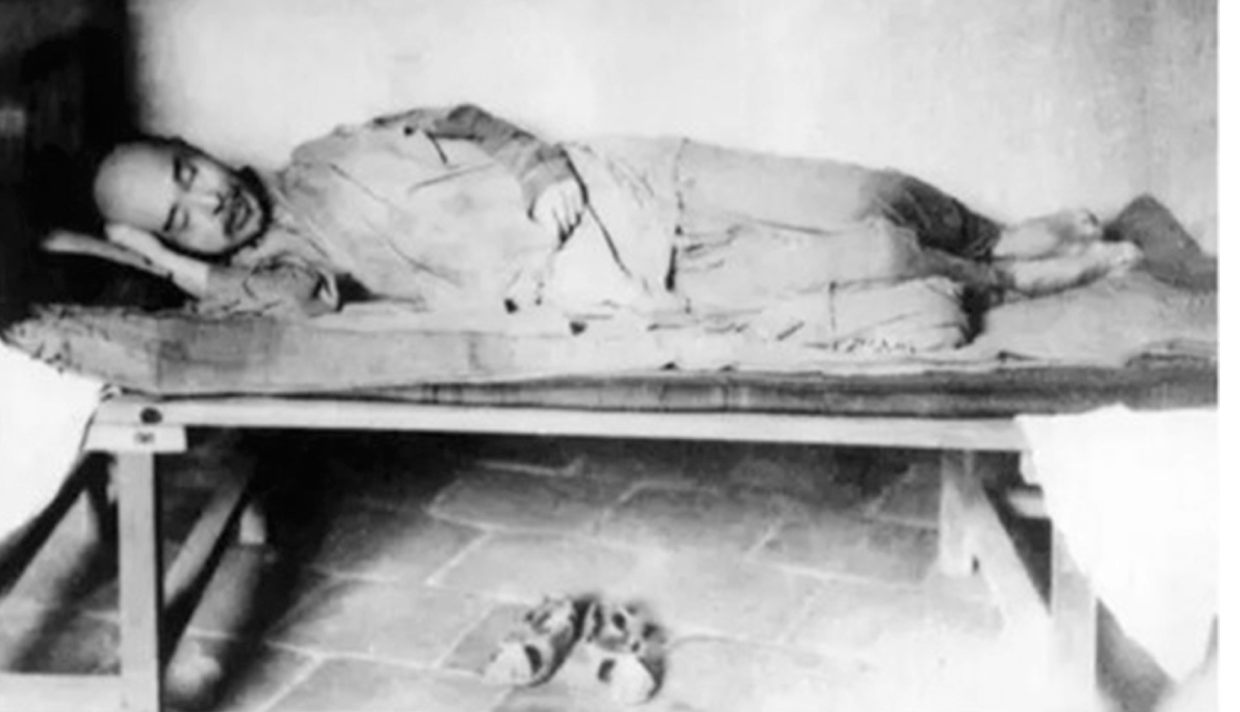
I was so powerfully affected by Master Hongyi's post-mortem presence that I then read everything I could find about him, most of which was written by the wonderful scholar, Raoul Birnbaum. Then, in following up various threads, I launched a seven-part series on death.
The first in the series was about Hongyi, in which I quoted from Birnbaum quite extensively. A subscriber happened to know Raoul and forwarded him the post. Raoul then reached out, gently pointing out some things I'd missed. We've since exchanged a number of emails, and I've learned a great deal from his deep knowledge of Hongyi and the Chinese Buddhist tradition.
Now, given that there isn't much in contemporary Zen writing (including books on dying and death) about dying and death from the perspective of the received tradition of the buddhadharma (e.g., the importance of the last moment, various views on such, the rebirth process, and likely post-mortem outcomes), I was compelled to offer these seven posts (altogether 20,129 words) instead of what I had expected to write about:
Hongyi's Long, Last Moment
Why is the Long, Last Moment So Important?
How To Practice During the Long, Last Moment
Dahui On "Being Immediately Reborn in a Buddha Land"
Dogen On Taking Refuge Through Life and Death
Kokan Shiren On Contemplating Empty Dharmas While Dying
Hakuin Zenji's Death Koan and the Secret Ingredients for the Soft-Butter Method
Like I said, I just follow the vein of energy. We independent Zen folks can flow with the current or paddle into the headwinds, so I do.
Zen: One School, One Mind Workshop
One thing I did this year (which I seldom do these days, except for Vine sesshin) is travel to teach. You see, I avoid leaving the hermitage (except for walks along the lake), even to go shopping for needed supplies. But Meido Roshi invited me to Korinji for an August weekend of teaching on the One School Zen theme — a theme that's close to my heart and that I've been writing about for years — so I agreed to go.
The way I think about the experience now is like I was a little kid: "I got to go to Korinji!" Teaching with Meido Roshi and practicing with the students at Korinji, including several Viners, was just that lively, rich, and fulfilling. I hope the enjoyment is apparent to viewers via the recordings (open for paid subscribers — i.e., nice people like some of you):
 Dosho Port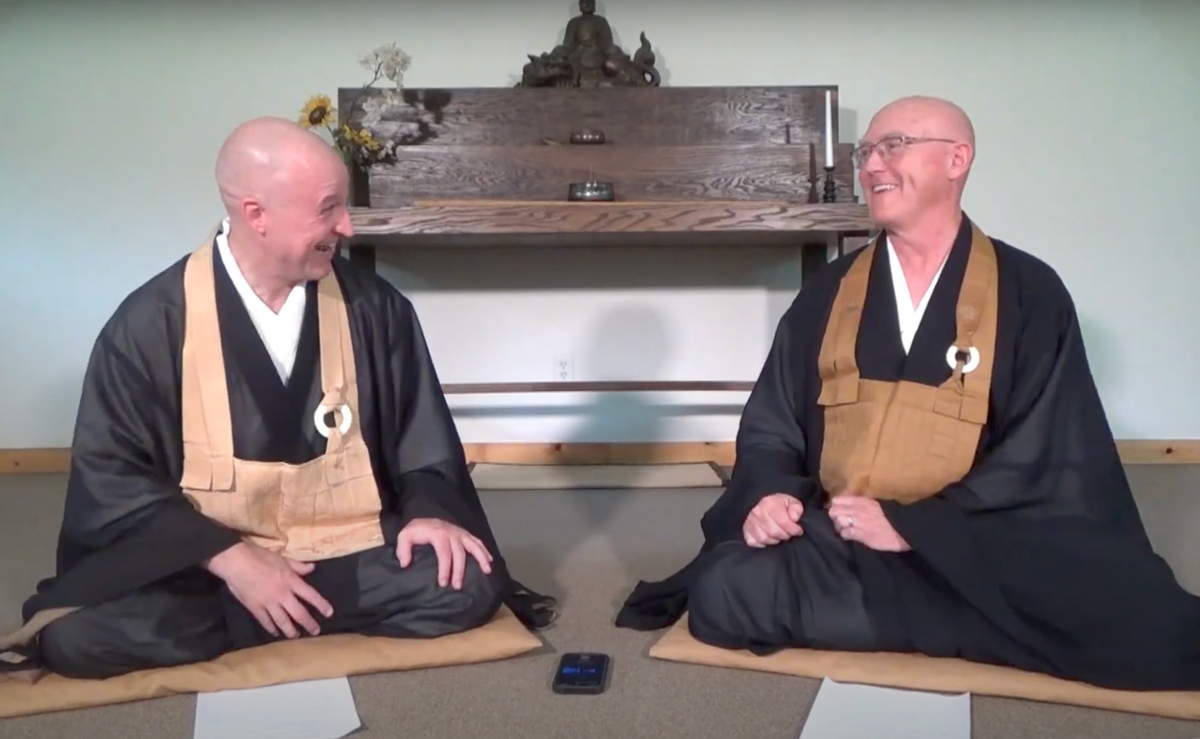
 Dosho Port
 Dosho Port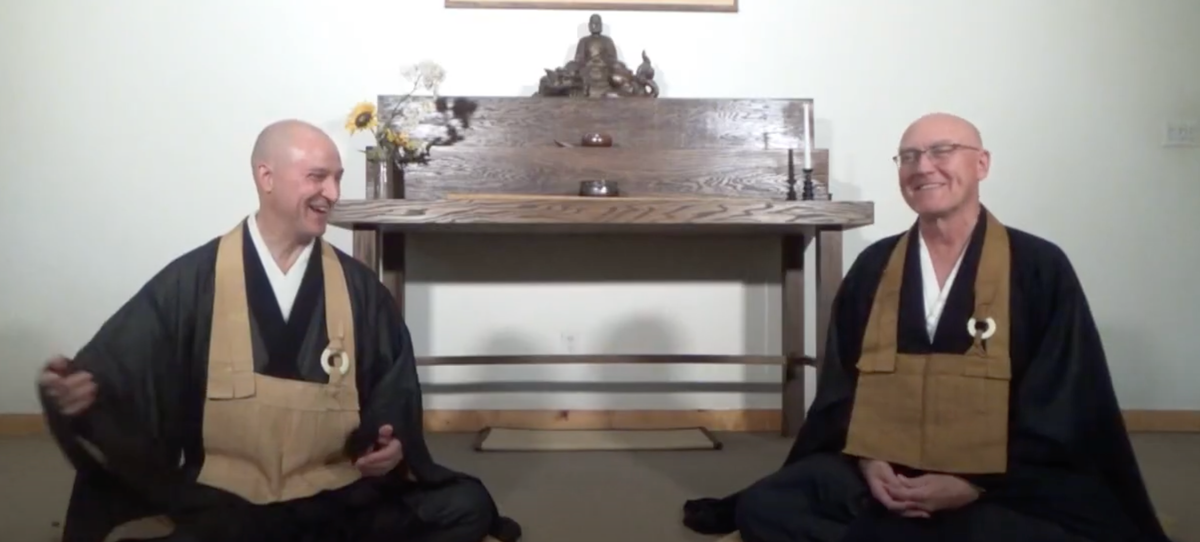
In This Body, In This Life
Although there were a number of other themes in 2025, including the teaching of The Lotus Sutra and Dogen Zenji, the post I keep coming back to is this one (it was also one of the most widely read posts):
 Dosho Port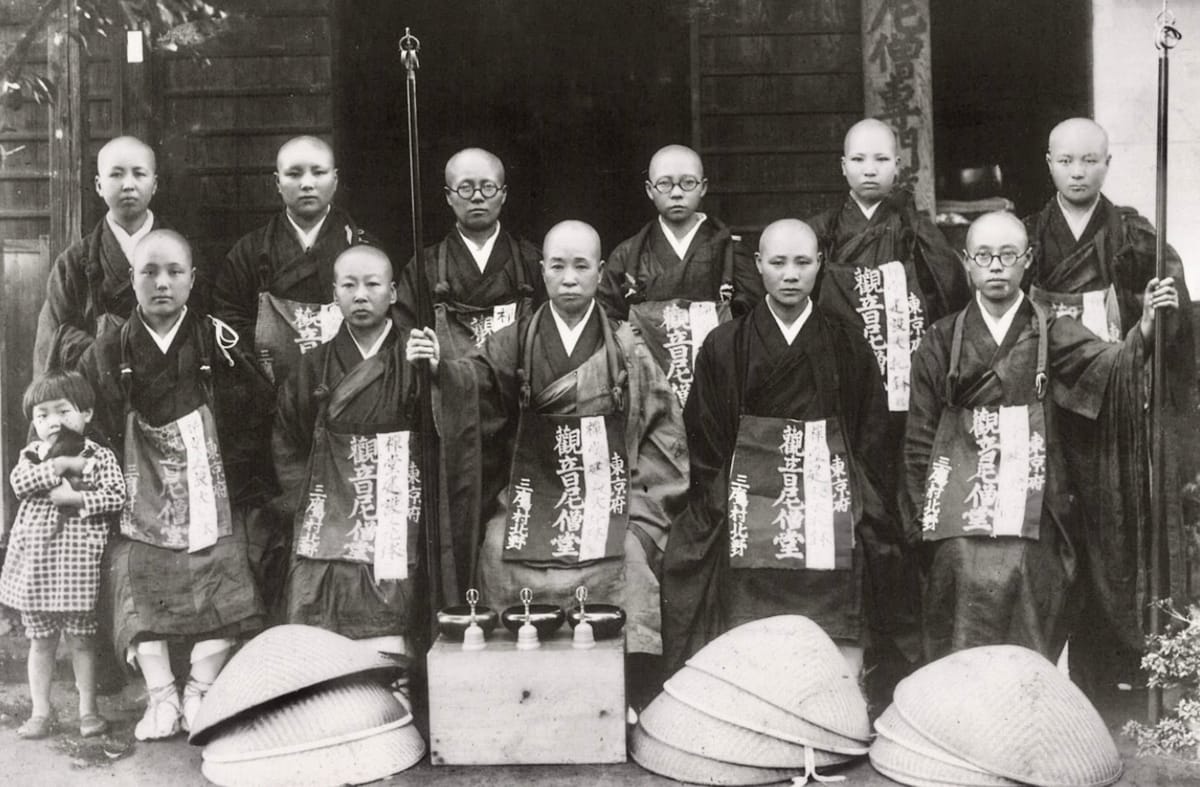
The above is my review of the recent book by Sozen Nagasawa Roshi about the women who kensho-ed under her guidance, as translated and edited by Kogen Czarnik Osho and Esho Sudan Osho, In This Body, In This Life: Awakening Stories of Japanese Soto Zen Women. It is such an important contribution to the contemporary conversation about the buddhadharma, precisely because it flies in the face of many contemporary misperceptions about Soto Zen practice — that Soto women don't awaken, that koan and kensho are not "Soto," that intense practice is somehow not in alignment with the buddhadharma, that shame is bad, etc.
If you haven't given the featured photo in that post a good, long look, I recommend it (the post is open for everyone). You might get the feel for the vivid intensity and nondiscursive stability modeled by these clear-eyed women of the Way.
What's Ahead in 2026?
Clearly and by design – I don't know. So, in what follows, I advise you to duck and dodge any hogwash I throw your way.
Still, one thing that's likely is a post on the Three Collective Pure Precepts. I've been researching a strange discrepancy between what are called the Three Collective Pure Precepts at almost every Zen Center I know of, and what are considered the Three Collective Pure Precepts in the received tradition (consistent across the works of Asanga, Daoxuan, Zhiyi, Dogen, Gyonen, Menzan, etc.). It's mysterious how such a thing could happen, but I'm now at a place where I have confidence enough to share what I've found.
And as I mentioned above, the interactions with Tetsugan Sensei and our students (a wily bunch of characters) will probably provoke some of the upcoming posts. This year, for example, Tetsugan Sensei and I saw that our students could benefit from a stronger focus on "turning the light around," so our April 7-day sesshin and several posts focused on that key practice. See this one (also open to all):
 Dosho Port
Recently, because we've seen how important a deeply settled body-mind is for transformative kensho (i.e., truly turning the light around and seeing nature), we've been focusing on the Nine Stages for Calming the Body-Mind, which was also a theme for the fall sesshin. I've written about these stages before, but there's a post simmering on the back-burner that's likely to get served up in '26 as well.
Another post that's in draft form now, waiting the new year, is "15 Reasons to Become a Vine of Obstacles Zen Student." That may well be the first post in 2026. Meanwhile, if you are interested in awakening and looking for teachers plus a group of serious practitioners, review what we're doing here.
Translations, Commentary, and Interviews at Shake Out Your Sleeves and Go
I created Shake Out Your Sleeves and Go in order to have a dedicated space for my translations of The Record of Going Easy (Shoyoroku). As part of presenting the translation, I interview a Zen koan teacher about koan work generally and one of these cases specifically. I give a fuller account of how this site came about, going back to my last meeting with Katagiri Roshi, here:
 Shake Out Your Sleeves And Go
I also hoped that it would become a site for Zen teachers and students who had some experience in the koan way. There are indicators that it may become just that. I can report that I've greatly enjoyed the koan talks with teachers and look forward to more in 2026. If you haven't subscribed yet, you are welcome to do so. Subscriptions are free and you'll then receive notifications of new posts.
Below you'll find the Shake Out Your Sleeves and Go posts for "Case 7: Yaoshan Ascends the Seat" – synchronistically also one of the main figures in our recent study of "The Disruptive Point of Zazen." And something that Tess Beasley Roshi addresses in our interview:
 Shake Out Your Sleeves And Go
 Shake Out Your Sleeves And Go
 Shake Out Your Sleeves And Go