Cultivating Verification: A New Shushogi for Today
"The endeavor to negotiate the Way, as I teach now, consists in discerning all things in view of enlightenment, and putting such a unitive awareness into practice in the midst of the revaluated world." - Dogen

We are in the midst of a series on Dogen's teaching with our Vine students, and will continue that with the Fall Intensive, Nov 7 - Dec 18 (information below in case you missed it), so this post fits well with our current teaching theme.
In addition, today, September 29, is the Memorial Day for Dogen and Keizan (the fourth generation successor in Japan). So I offer this in deep gratitude for their teaching.
May the new Shushōgi (attached), inspire your wholehearted cultivating verification.
Note: The application deadline for guest students for the upcoming Intensive is Sunday, Oct 12, 5:00pm CT:
 Dosho Port
A couple years ago, I wrote a piece titled, The "Soto Zen" of the PMSO: A New Religion Whose Time Has Passed, wherein I call out a text titled Shushogi ("The Meaning of Practice Enlightenment"), a late-19th century summary of the teaching of Dogen Zenji that has served as a fairly succinct synopsis (~3,000 words in translation) of Soto Zen for the last 130 years.
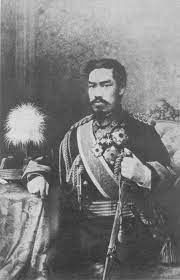
Shushogi, you see, was not written by Dogen. Instead, it was created by Meiji era reformers who selectively cut and pasted, mostly from Dogen's writings (there is one short quote from The Brahmajala Sutra), in order to reframe Soto Zen as a practice for householders - a feat that took considerable scrambling around. As I wrote,